







Penang Electronics Cleanrooms Need a Humidity Brief Before an HVAC Quotation
A cooling schedule based only on room temperature can miss moisture from outdoor air, open doors and cleaning. Penang electronics projects should define operating scenarios before equipment is sized.
Separate the loads
The room designer needs more than a target temperature. Record process heat, occupancy, door use, outdoor-air requirement and moisture released during cleaning. A production line may operate steadily while material transfers create short, repeated disturbances. Specify the conditions to be maintained during normal production and state how the room should recover after a disruption. The design engineer can then assess cooling and dehumidification together rather than treating humidity as a late control adjustment.
Coordinate the envelope and plant
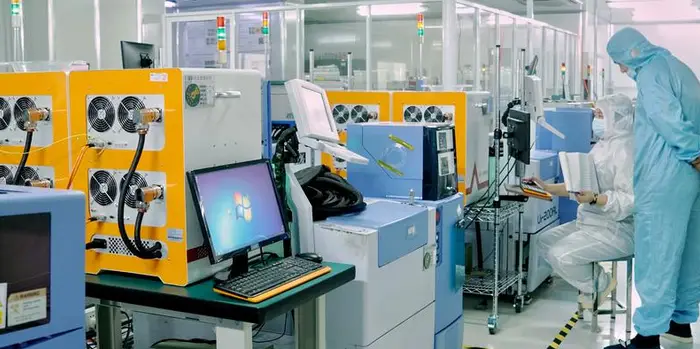
Panel joints, door seals, service penetrations and condensate routes affect whether the mechanical design can hold its operating condition. Put these interfaces on coordinated drawings. Locate filter, coil and drain access so maintenance staff can work without crossing exposed assemblies. Ask bidders to explain which measured inputs drive their proposal and what building services they expect the client to provide.
Test the scenarios that matter
Commissioning should record the agreed operating states, including representative occupancy and transfers. Trend temperature and humidity while the room stabilizes, and explain what alarm or intervention is expected when a limit is exceeded. A useful handover gives operators a response plan, not just a set point printed on a control screen.
A local design-case register
The client and mechanical designer should agree a small set of design cases in writing: normal production, peak personnel movement, material transfer, post-cleaning recovery and a planned shutdown. Each case needs a defined room condition and a reasonable duration. Outdoor conditions should be taken from an agreed project weather basis rather than a casual assumption about a typical day. The resulting schedule makes competing bids easier to compare: two systems with similar cooling capacity may have very different approaches to outdoor-air treatment, controls and recovery after a door opening.
During installation, inspect insulation continuity, drain slope and service access before ceilings close. A condensate line that cannot be cleaned or a coil that cannot be removed can create recurrent operating problems even if the plant passes its initial test. At handover, the controls contractor should explain sensor placement, alarm delay and trend retention to the operators. Run the agreed scenarios with representative traffic and record the response. If performance depends on keeping certain doors closed or limiting simultaneous transfers, that operating constraint belongs in the user instructions, not only in the designer's calculations.
For owners comparing proposals, the decisive question is which operating case each supplier actually designed for. Request a short response table rather than a single capacity figure. It should show expected control actions, recovery approach and any limits on simultaneous activity so operations can assess whether the design fits production.
